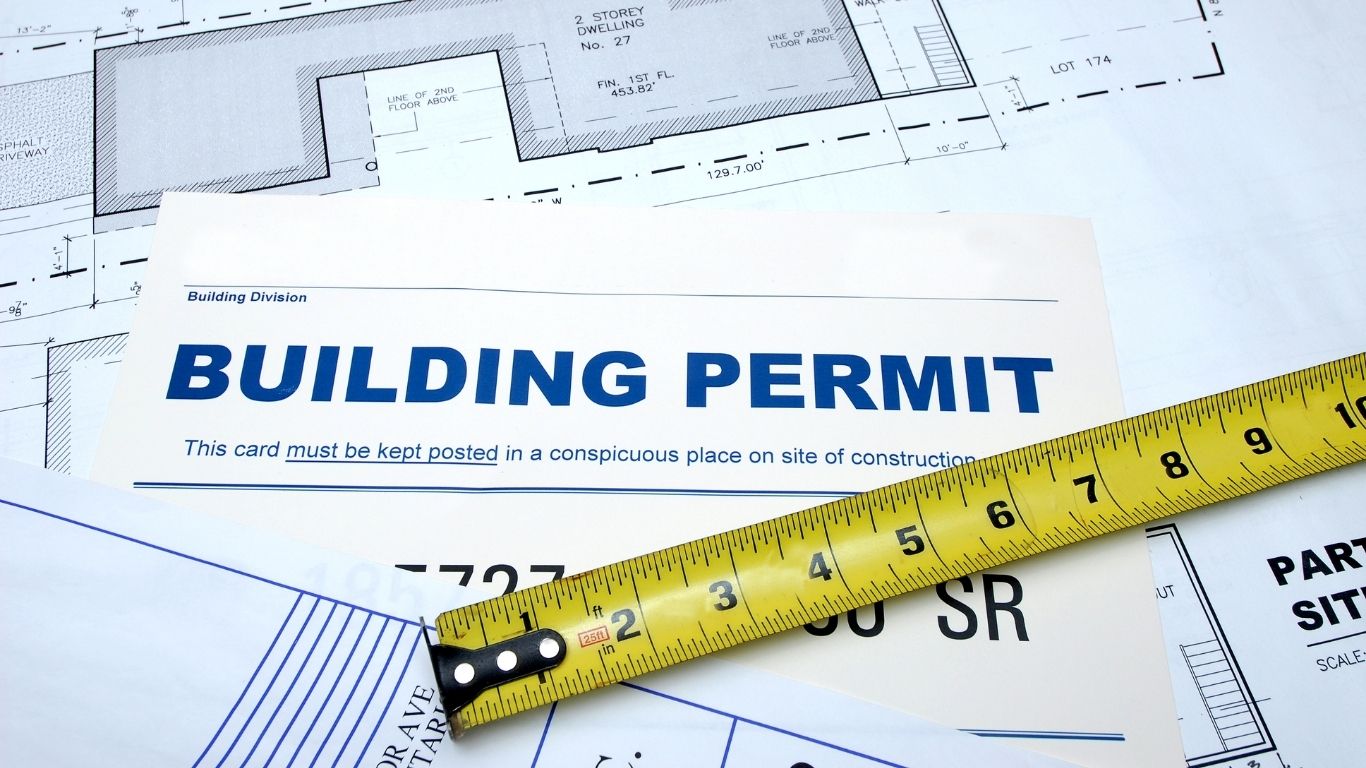
Staring at a stack of permit forms before your project even starts can make a dream home feel like a legal headache. For many homeowners, PA building permits are the most confusing part of planning a custom build or major addition. The paperwork, code language, and local rules can feel overwhelming—especially when you know a mistake could derail your schedule, budget, or even your ability to move in.
What Are PA Building Permits For Custom Homes And Additions?
A building permit is the official approval from your local municipality that allows you to begin construction on your home or addition. In Pennsylvania, building permits ensure your project meets state and local safety codes, zoning requirements, and structural standards—protecting you, your investment, and your future resale value.
For new custom homes, PA building permits cover everything from the foundation and framing to utilities and energy efficiency. For additions, permits are required for structural expansions, exterior modifications, and most projects that change the footprint or load-bearing elements of your home.
Permits are not a roadblock—they’re a standard step for any serious home project. Having the right documentation up front saves you from fines, stop work orders, or even having to remove completed work.
Permits are just one step in the overall journey. For a full roadmap from first idea to move-in, see our guide to designing a custom home in Lehigh Valley.
Permits vs Zoning Approvals
- Zoning approval ensures your project is allowed on your lot (size, setbacks, use, etc.).
- Building permits verify that the design and construction meet safety and code standards.
- Both are typically needed before construction can begin.
When A Permit Is Usually Required
- New custom homes: Always require a building permit.
- Additions that expand the home’s footprint or height: Almost always require permits.
- Structural changes: Removing walls, altering rooflines, or adding large windows.
- Major system upgrades: Electrical, plumbing, or HVAC changes often trigger permits.
Common misconception: “Interior-only work doesn’t need a permit.” If it affects structure, safety, or systems, you likely do.
| Tip: If you’re unsure, ask your builder or contact your local building department. Or, reach out to Russo Design + Build for a clear answer. |
The Basics Of PA Building Permits For Custom Projects
State Rules And Local Enforcement
Pennsylvania adopts the Uniform Construction Code (UCC), which is based on the International Building Code and related model codes developed by the International Code Council. The UCC sets minimum standards for structural safety, energy efficiency, fire protection, and accessibility.
However, your local municipality (city, township, or borough) is the authority that:
- Reviews your permit application
- Collects fees
- Performs inspections
- Issues the final certificate of occupancy
This means that while state rules create a foundation, each municipality in Northampton and Lehigh Counties can—and does—add its own procedures, forms, and timelines.
Every local building department publishes its own requirements and fee schedules. Always check your municipality’s website for the latest details.
Who Applies For The Permit?
- Homeowner: You can apply directly, but you are responsible for accurate plans and compliance.
- Builder or contractor: Many homeowners choose a design and build team like Russo to handle permits, plans, and all coordination with code officials.
- Designer or architect: Sometimes submits plans, but the builder typically pulls the actual permit.
For custom homes and major additions, it’s standard for your builder or design build team to manage the entire permit process on your behalf—saving you time and minimizing stress.
Want to see how this works in practice? Explore our custom home design and build services and view our recent projects in the Lehigh Valley.
Step By Step: How The Permit Process Works In PA
Here is how the PA building permits process typically works for a custom home or significant addition in Northampton or Lehigh County:
1. Early Feasibility And Zoning Check
Before any plans are drawn, confirm:
- Zoning district and allowed uses
- Setbacks from property lines
- Lot coverage limits
- Height restrictions
- Any overlays (floodplain, historic, etc.)
| Scenario: A homeowner in Bethlehem wants to add a two-story addition. Early zoning review reveals a side yard setback issue—solved through a design adjustment, not a costly redesign after permit denial. |
2. Creating Permit Ready Plans
- Prepare detailed construction drawings (site plan, floor plans, elevations, structural details)
- Include engineering if needed (trusses, retaining walls, special foundations)
- Ensure plans match zoning and UCC requirements
Insight: Starting your design with zoning and permit rules in mind can prevent costly redesigns later. A local Lehigh Valley custom home builder who understands PA building permits can often shorten the time between concept and construction start by submitting cleaner, more complete plans.
3. Submitting And Responding To Plan Review
- Submit a complete application with plans, forms, and fees to the local building department.
- Municipality reviews plans for code and zoning compliance
- Address any requests for revisions or clarifications
- Approval leads to permit issuance
Plan review times can vary—especially during spring and summer construction surges.
4. Inspections And Final Approvals
- Inspections occur at key milestones: footing, framing, electrical, plumbing, insulation,and final walkthrough
- The inspector signs off at each stage.
- Final inspection leads to the certificate of occupancy, allowing you to move in
Permits are just one part of planning your dream home. For a big picture view, our complete guide to working with a Lehigh Valley custom home builder walks through everything from initial vision to move-in.
Need help understanding how PA building permits apply to your lot or existing home? Contact Russo Design + Build or call (484) 239-8316 for a planning conversation.
Common Permit Pitfalls In Northampton And Lehigh Counties
In many Lehigh Valley municipalities, we see homeowners and even contractors run into avoidable issues during the PA building permits process.
Zoning Misunderstandings
- Overlooking setback or height limits, especially on older lots
- Assuming zoning is the same as neighboring towns
- Failing to check for special overlays (historic, floodplain)
If you’re working on a historic property, additional historic renovation permits may apply.
Incomplete Or Inaccurate Plans
- Missing structural details or required engineering stamps
- Omitting site-specific constraints (slopes, easements)
- Not including all proposed features, like outdoor living spaces or pools
For luxury home additions, features like large windows or custom outdoor kitchens may trigger extra scrutiny. See our guide to luxury home additions for more.
Underestimating Review Time
- Not building in time for plan revisions during peak permit season
- Scheduling the construction start before the permit is in hand
Our clients in Northampton County often ask about how long plan review really takes. Planning ahead is key to keeping your project—and move-in—on schedule.
Curious how Russo Design + Build prevents these pitfalls? Learn more about our team’s experience in the Lehigh Valley.
How Design And Build Services Simplify PA Building Permits
Choosing a design-and-build firm like Russo means one team is responsible for designing your home, coordinating engineering, preparing permit documents, and navigating reviews with local officials.
Single Point Of Contact
You won’t be caught between an architect, engineer, and builder. Russo provides a single project manager who keeps everything moving—from first sketch to final inspection.
Permit Ready Design
Because we act as your Lehigh Valley custom home builder and design team, we can align your custom home design process with permit requirements from the start, as outlined in our in-depth guide to designing a custom home in Lehigh Valley.
Local Experience With Municipal Reviews
We know the unique quirks of Northampton and Lehigh County municipalities—what details inspectors look for, what triggers plan revisions, and how to avoid unnecessary delays.
For a smoother path to building, see our custom homes in the Lehigh Valley and get inspired by our project gallery.
If you want a custom home builder who handles zoning, permits, and inspections for you, learn more about our design and build services for custom homes.
Timelines, Fees, And Inspections To Expect
How Long Does Permit Approval Take?
- Typical range: 2–6 weeks for most custom homes and major additions
- Factors: Completeness of plans, time of year, municipality workload, need for variances
- Peak periods: Spring and early summer can add days or weeks
Building in Northampton or Lehigh County? Ask your builder for realistic timelines based on current local review speeds.
What Inspections Are Required?
For custom homes and additions, expect inspections at these stages:
- Footings and foundation
- Framing
- Electrical and plumbing rough-in
- Insulation and energy code compliance
- Final walkthrough (for certificate of occupancy)
A good design and build team will schedule these inspections with minimal disruption and handle all coordination with inspectors.
How Fees Fit Into Your Project Budget
- Permit fees: Based on project size, scope, and municipality fee schedule
- Additional costs: Zoning or variance applications, engineering reviews, re-inspection fees if work is not ready
Tip: Ask for a detailed estimate that includes all anticipated permit and inspection costs up front.
You can see how these steps come together in our completed projects.
Getting Started On Your Project With The Right Permit Strategy
Permits don’t have to be intimidating, especially when you have a clear process and a team that manages the details.
Questions To Ask Your Builder About Permits
- Who will prepare and submit my PA building permits?
- How do you ensure plans meet both UCC and local requirements?
- Have you worked with my municipality before?
- What is the expected timeline for permit approval?
- How do you handle revisions or inspection requests?
How Russo Design + Build Handles PA Building Permits
At Russo Design + Build, we:
- Integrate zoning and code research into early design
- Prepare detailed, permit-ready construction documents
- Submit and track permit applications through local officials
- Respond quickly to plan review comments or revision requests
- Schedule and manage all required inspections
- Keep you informed at every stage
Ready to start a custom home or addition in Northampton or Lehigh County with a team that manages PA building permits for you from day one? Call (484) 239-8316 or reach out through our contact form.
Frequently Asked Questions About PA Building Permits
Do I need PA building permits for a home addition?
Yes, you will almost always need PA building permits for a home addition that expands your home’s footprint, changes its structure, or alters major systems like electrical or plumbing. Even interior additions that affect load-bearing walls or create new rooms usually require permits to ensure safety and code compliance.
How long does it usually take to get a building permit for a custom home in Pennsylvania?
In most Pennsylvania municipalities, obtaining a building permit for a custom home can take 2 to 6 weeks. This depends on the completeness of your plans, the municipality’s current workload, and whether any revisions or zoning variances are required. Working with a design and build firm can help keep this timeline on track.
Who is responsible for handling PA building permits, the homeowner or the builder?
While homeowners can apply for building permits themselves, it is common (and recommended) to have your builder or design and build contractor manage the permit process. This ensures that all documentation, plans, and code requirements are handled professionally, reducing the risk of mistakes or delays.
What happens if I start my custom home or addition without a building permit in PA?
Starting construction without the required PA building permits can lead to stop-work orders, fines, and even the requirement to remove or redo completed work. It can also create problems when selling your home or filing insurance claims. Always secure the proper permits before beginning any significant project.
How can a design build firm help speed up the PA building permits process?
A design build firm streamlines the PA building permits process by preparing complete, code-compliant plans, coordinating with local officials, and handling revisions quickly. Their experience with local requirements reduces back-and-forth, avoids common mistakes, and helps ensure your project moves from planning to construction as efficiently as possible.
Start Confident, Build Smart
PA building permits are there to protect your investment, your safety, and your peace of mind. While the process involves several steps and can seem overwhelming, it’s entirely manageable—especially with a local expert guiding the way.
Key takeaways:
- Permits for custom homes and additions are standard, required, and protect you from costly mistakes.
- The process follows a clear structure, but each municipality in Northampton and Lehigh Counties has unique requirements and review times.
- Partnering with a design and build team like Russo Design + Build means every step—from initial zoning checks to final inspections—is managed for you.
If you’re ready to take the next step toward a custom home or addition in Northampton or Lehigh County, contact Russo Design + Build or call (484) 239-8316 for a consultation that starts your project on the right foot.