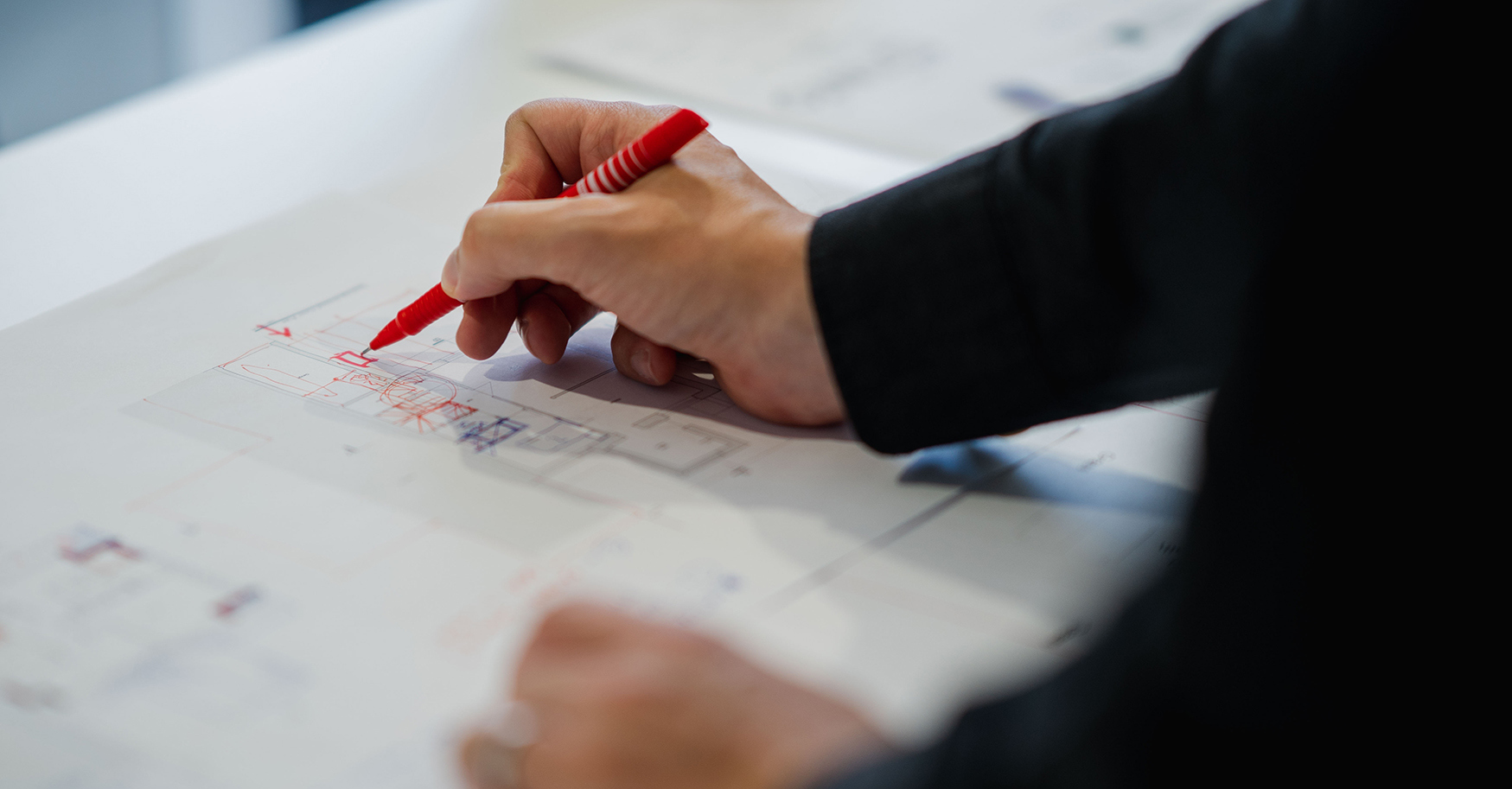
A floor plan is more than a drawing — it’s the architectural DNA of your custom home. It sets the stage for how rooms connect, how light moves through the house, and how your family will live and interact in the space for years to come. Getting these details right from the start helps avoid cost overruns and ensures a smooth, efficient build.
At Russo Design + Build, every new home design begins with a clear, thoughtful plan. This first step provides a solid foundation for every design decision that follows.
Understanding the True Purpose of Floor Plans
While a floor plan may appear to be a simple layout of walls and rooms, its role is much deeper. It shapes the flow of daily life, influencing everything from how families gather to where you find privacy and quiet.
A well-considered plan balances open areas with private retreats, integrates storage seamlessly, and ensures circulation through the home feels natural. At Russo Design + Build, we focus on how you truly live day to day, so the design reflects your lifestyle rather than just an abstract layout.
The Design Process: Where Floor Plans Come First
Developing a floor plan for a custom home is a step-by-step process that requires collaboration, refinement, and attention to detail. Skipping or rushing this phase often results in design flaws that become costly to correct during construction. Taking the time up front to create a thoughtful plan sets the stage for a smooth build.
At Russo Design + Build, our integrated design-build approach ensures floor plan development happens collaboratively from the very beginning. For new build projects, we often create the initial floor plans in-house before coordinating with architects or structural engineers on exterior elements such as rooflines and construction documents.
This process mirrors the same principles we emphasize in our ultimate guide to renovating your home: early planning and communication prevent expensive changes later. By involving our construction team at the design stage, we anticipate structural requirements, mechanical system placement, and logistics that affect both budget and schedule.
The Six-Step Floor Plan Development Process
Step 1: Lifestyle Assessment
We begin by reviewing square footage needs, desired rooms, and any must-have features. This stage also includes considering how the home will sit on the lot, architectural style preferences, and inspiration photos that capture the client’s vision.
Step 2: Functional Layout Design
Next, we create preliminary layouts that prioritize traffic flow, natural light, and the relationship between spaces. This ensures the home will feel both practical and comfortable in daily use.
Step 3: Refinement and Optimization
Small adjustments to a floor plan can have major impacts. A window moved for light might shift wall placement or furniture layouts. Our team has the experience to see the big picture, resolve ripple effects early, and prevent issues from appearing during construction.
Step 4: Technical Integration
We coordinate with structural engineers to confirm the floor plan aligns with load-bearing requirements, mechanical systems, and overall structural integrity.
Step 5: Final Detailing
At this stage, room dimensions, fixture placement, and finish specifications are finalized, blending design intent with practical construction needs.
Step 6: Construction Documentation
Finally, all drawings — including dimensioned floor plans, elevations, and perspective views — are compiled for use in the full construction plans. This ensures everyone involved shares the same clear roadmap.
Common Floor Plan Mistakes That Compromise New Home Design
Even small oversights in a floor plan can create long-term frustrations. Over the years, we’ve seen how errors in storage, traffic flow, or room proportions can affect a home’s comfort and value. Knowing what to avoid helps homeowners make confident choices and prevents expensive corrections later.
Inadequate Storage Planning
One of the most common mistakes is underestimating storage needs. While a garage or linen closet may seem sufficient, successful custom homes integrate storage throughout — from walk-in closets and pantry space to seasonal storage and dedicated utility areas.
Poor Room Relationships
Bedroom placement, noise considerations, and privacy all play a key role in daily comfort. For example, separating the primary suite from children’s bedrooms enhances privacy, while locating laundry away from bedrooms prevents noise disruptions.
Ignoring Traffic Flow
A thoughtful floor plan considers how people move through the home. Poor circulation can make even a large house feel cramped. Smooth connections between the kitchen, entryway, and main living areas minimize congestion and create a more natural flow.
Misjudging Room Proportions
Oversized rooms can waste space, while undersized ones feel uncomfortable. Striking the right balance ensures that each area is functional without sacrificing comfort or efficiency.
How Floor Plans Impact Long-Term Value and Livability
The floor plan you choose today will shape your family’s daily experience for years to come. It determines how your home functions and flows, making it one of the most important aspects of new home design to finalize during the pre-construction phase.
Lifestyle Adaptability
One of the most common oversights is failing to consider how a floor plan should reflect lifestyle. Your home should support your routines, whether that means creating spaces for entertaining, quiet retreats, or multi-functional rooms. Needs also evolve: young families may require proximity between bedrooms, while empty nesters often prefer greater separation and flexibility. Designing with future adaptability in mind — such as an extra bedroom or universal design features — ensures long-term comfort and accessibility.
Energy Efficiency Considerations
Floor plan decisions directly affect operating costs. Open layouts and soaring ceilings can feel dramatic but often require more energy to heat and cool. Strategic room placement, insulation, and mechanical planning can balance efficiency with aesthetics, reducing long-term expenses while keeping the home comfortable.
Natural Light and Ventilation
Thoughtful window and skylight placement brings natural light into the home while promoting energy efficiency. Proper ventilation in kitchens, bathrooms, and high-use spaces helps maintain indoor air quality. These design decisions not only improve daily livability but also add to the long-term value of a home.
At Russo Design + Build, our custom home design services emphasize floor plans that balance lifestyle needs, energy performance, and lasting value — ensuring your home continues to serve you well into the future.
The Russell Design & Build Advantage: Integrated Floor Plan Development
Our design-build approach ensures that floor plan development considers both aesthetic vision and practical construction realities. By involving contractors early in the design phase, we anticipate challenges and refine solutions, saving both time and money.
We believe in collaboration and transparency, keeping clients informed at every decision point. Our team works closely with homeowners to create floor plans that reflect lifestyle needs while incorporating the craftsmanship and premium materials that define lasting custom homes.
When you work with Russo Design + Build, you benefit from a comprehensive process that unites design and construction under one roof. This integration streamlines communication, reduces costs and timelines, and improves overall quality. During floor plan development, early input from our construction team helps prevent costly revisions later while ensuring the finished home matches your vision.
Making Your Floor Plan Decision
Deciding on a floor plan can feel overwhelming, but the right guidance makes the process smoother. At Russo Design + Build, we work closely with homeowners to design layouts that align with lifestyle needs and aesthetic preferences. Exploring different styles and themes helps reveal what feels most natural for your family. For inspiration, our project gallery highlights completed homes that show how thoughtful floor plans translate into beautiful, livable spaces.
The key to successful new home design is balancing current needs with future flexibility. Start by assessing how your family lives, works, and entertains daily. Consider details such as morning routines, entertaining spaces, and private retreats.
Your floor plan forms the foundation for every other design decision. Get this step right, and your custom home will serve your family beautifully for generations. Rushing the process, however, can lead to costly modifications or daily frustrations that compromise long-term livability.
Frequently Asked Questions
How long should I spend developing my custom home floor plan?
Most floor plan development takes 4–8 weeks, depending on complexity and revisions. This time is essential for refining details and preventing costly changes during construction. At Russo Design + Build, we emphasize planning and allowing the design process to unfold thoroughly so the finished plan supports both livability and efficiency.
Should I start with an existing floor plan or design from scratch?
Starting with an existing plan can provide a helpful framework, especially for identifying must-have spaces and features. Many homeowners then refine these layouts with custom modifications, which is often more cost-effective than designing completely from scratch. Whether starting from a base plan or creating something unique, our team ensures the result is a floor plan that truly reflects your lifestyle.
What role does lot orientation play in floor plan design?
Lot orientation directly impacts natural light, energy efficiency, and comfort. For example, strategically placing windows to maximize sunlight while considering shading from trees can make a significant difference in livability. Drainage, easements, and local climate conditions also influence placement. A thoughtful floor plan integrates these factors so the home feels naturally aligned with its setting.
Start Your Project Today
Your floor plan is the foundation of successful new home design. With the right partner, the process becomes clear, collaborative, and inspiring. If you’re ready to begin planning, reach out through our contact page or call us directly at (484) 239-8316 to take the first step toward creating your dream home.