Building a custom home in Lehigh Valley represents one of life’s most significant investments and rewarding experiences. Working with an experienced Lehigh Valley custom home builder who understands both the technical complexities and emotional significance of this journey makes all the difference between a stressful experience and an organized, transparent collaboration.
Picture yourself standing on your lot in Lehigh Valley, looking out across the rolling hills and imagining the home that will soon rise from the ground beneath your feet. Every room, every detail, every finish reflects your personal vision. This is not just another house. This is the forever home where memories will be made, where your family will gather, where your unique lifestyle will unfold exactly as you envisioned.
But between this exciting vision and move-in day lies a complex journey that overwhelms many homeowners. Working with a Lehigh Valley custom home builder who understands both the technical intricacies and the emotional significance of this process makes all the difference. The right partner transforms what could be a stressful experience into an organized, transparent, and ultimately rewarding collaboration.
Understanding the complete process before you begin helps set realistic expectations and empowers you to make informed decisions at every stage. From selecting your property to choosing finishes, from navigating local building codes to managing your budget, each phase requires thoughtful consideration and expert guidance.
If you are considering building a custom home in Bethlehem, Allentown, Easton, or the surrounding Lehigh Valley communities, this comprehensive guide will walk you through every phase of the design and construction process. You will gain clarity on timelines, budgets, design considerations, and how to select a builder who will serve as your trusted partner from initial concept through final walkthrough.
Why the Lehigh Valley Is Perfect for Custom Home Building
The Lehigh Valley region offers an exceptional combination of accessibility, natural beauty, and growing economic opportunity. Located within easy reach of major metropolitan areas, including Philadelphia and New York City, this area provides the perfect balance between suburban tranquility and urban convenience.
Land Availability and Natural Settings
Unlike more developed regions where buildable lots are scarce, Lehigh Valley still offers diverse opportunities for custom home sites. From elevated properties with sweeping valley views in Lehigh Township to wooded lots bordered by conservancy land in South Mountain, the variety of available settings allows you to select a location that matches your lifestyle preferences.
Many of our clients appreciate the ability to build on family land that has been held for generations. Others purchase lots in established custom home communities where utilities are readily available and zoning is straightforward. Still others seek out more remote parcels where privacy and natural surroundings take priority.
Strong Local Economy and Community
The region’s economic growth has created a robust market for custom homes. Business owners, medical professionals, executives, and entrepreneurs choose Lehigh Valley both as a place to work and to establish their family home. This economic stability translates to strong property values and a well-established network of skilled tradespeople, architects, and builders.
Local municipalities have developed clear processes for permitting and zoning, which helps streamline the approval timeline when you work with an experienced builder who understands these systems. The Lehigh Valley Economic Development Corporation continues to attract businesses and residents, strengthening the region’s long-term growth prospects.
Architectural Diversity
Lehigh Valley embraces diverse architectural styles. Whether you envision a contemporary home with clean lines and expansive glass, a traditional farmhouse with modern amenities, or a transitional design that blends classic and current elements, the region’s custom home landscape welcomes your vision. This architectural openness allows you to create a home that truly reflects your personal aesthetic without conforming to restrictive neighborhood standards.
Understanding Design-Build vs. Traditional Construction
One of your first major decisions is choosing between a design-build approach and the traditional method of hiring separate architects and general contractors. This choice will fundamentally shape your experience throughout the project.
The Traditional Approach: Separate Design and Construction
The conventional path involves hiring an architect to create your home’s design, then bidding out the project to general contractors. Once construction begins, the architect typically provides oversight, while the contractor manages the actual construction.
This separation creates several challenges:
Communication Gaps: When design and construction teams work independently, miscommunication frequently occurs. An architectural detail that looks stunning on paper may prove impractical or cost-prohibitive to build. These disconnects often surface during construction when changes are expensive and disruptive.
Unclear Accountability: When problems arise, determining who is responsible becomes complicated. Is the issue related to the architectural design or the contractor’s execution? This ambiguity can delay resolution and strain relationships.
Extended Timelines: The sequential nature of design-then-build extends your overall project timeline. Design must be fully complete before construction bidding begins, and any design changes during construction require architect revisions and contractor adjustments.
Budget Uncertainty: You invest significant time and money in architectural plans without knowing the final construction cost. Many homeowners discover their dream design exceeds their budget only after architectural fees are paid and construction bids come in higher than expected.
The Design-Build Advantage
Design-build integrates architectural design and construction under one roof. A single team manages your project from initial sketches through final construction, creating accountability, efficiency, and seamless collaboration.
Unified Vision: When designers and builders work together from day one, they create solutions that are both beautiful and buildable. Your design team considers construction realities throughout the creative process, while builders contribute ideas that enhance both aesthetics and functionality.
Budget Transparency: Construction expertise informs design decisions in real time. As your home takes shape on paper, we provide ongoing cost guidance so you understand budget implications before finalizing plans. This allows you to make informed trade-offs that maximize value.
Streamlined Timeline: Design and preconstruction planning overlap, significantly reducing your total project duration. While design develops, we can begin site work planning, permitting processes, and material selections.
Single Point of Accountability: You have one partner responsible for every aspect of your project. Questions, concerns, and decisions flow through a single relationship built on trust and clear communication.
| KEY INSIGHT: The design-build approach eliminates the communication gaps and accountability issues inherent in traditional construction. By integrating design and building expertise under one team, you gain budget transparency, streamlined timelines, and a single trusted partner who guides you from concept to completion. This unified approach transforms custom home building from a fragmented process into a cohesive, efficient journey. |
The Custom Home Design Process: From Vision to Reality
Creating a custom home involves multiple distinct phases. Understanding this progression helps you know what to expect and how to prepare for each stage.
Phase 1: Initial Consultation and Discovery
Your journey begins with conversation. We invest time understanding not just what you want your home to look like, but how you actually live.
Lifestyle Assessment: How do you use your current home? Where do family members naturally gather? Do you entertain frequently or prefer intimate settings? Do you work from home? What hobbies or activities need a dedicated space? These questions reveal functional requirements that shape your floor plan.
Design Preferences: We explore your aesthetic vision through imagery, magazine clippings, Pinterest boards, and discussions about homes you have admired. Understanding what resonates with you visually helps our design team translate inspiration into a cohesive architectural approach.
Site Analysis: We visit your property to assess topography, views, sun orientation, access points, and natural features. These characteristics significantly influence home placement and design. A site that slopes down toward stunning valley views, for example, naturally suggests a walkout basement and main living areas positioned to capture those vistas.
Budget Discussion: Transparent budget conversations happen from the start. We discuss your overall investment parameters, what is included in that figure, and how design decisions impact costs. This honesty prevents disappointments later and helps us align your vision with financial reality.
Phase 2: Conceptual Design
With a clear understanding of your needs, preferences, and site characteristics, our design team begins translating your vision into preliminary drawings.
Space Planning: We develop floor plans that organize your home’s spaces for optimal flow and function. Room sizes, relationships between spaces, traffic patterns, and how different areas of the home connect all receive careful consideration.
Architectural Style: Your home’s exterior character emerges during this phase. Roof lines, exterior materials, window proportions, and overall massing come together to create the architectural statement your home will make.
Preliminary Elevations: Early exterior elevation drawings help you visualize how your home will look from different angles. These sketches allow us to refine proportions, adjust material selections, and ensure the design captures your vision before investing in detailed construction documents.
Initial Budget Estimate: Based on conceptual designs, we provide a preliminary cost projection. This early estimate helps confirm the project remains within your budget or identifies areas where adjustments might be needed.
Phase 3: Design Development
Once you approve the conceptual direction, we develop increasingly detailed drawings that define every aspect of your home.
Refined Floor Plans: Room dimensions are finalized, mechanical systems are planned, and structural considerations are integrated. We work through the placement of every outlet, light fixture, and plumbing connection.
Material Selections: This phase involves choosing exterior and interior finishes. Siding, roofing, stone or brick accents, flooring, cabinetry, countertops, tile, lighting fixtures, and plumbing fixtures all get selected. Our design team guides you through options that match your aesthetic while meeting your budget.
Engineering Coordination: Structural, mechanical, electrical, and plumbing engineering gets coordinated with the architectural design. This integration ensures every system works together efficiently.
Detailed Cost Projection: As design details solidify, we provide increasingly accurate cost projections. You understand exactly where your investment is allocated and can make informed decisions about where to splurge and where to save.
Phase 4: Construction Documentation
With design development complete, we create detailed construction drawings and specifications to guide the building process.
These documents include:
- Architectural plans showing every wall, door, window, and finish
- Structural drawings detailing foundation, framing, and engineering
- Mechanical, electrical, and plumbing plans
- Site plans showing grading, drainage, and utilities
- Detailed specifications covering materials, installation methods, and quality standards
These drawings serve dual purposes: they provide the blueprint for our construction team and fulfill requirements for permit applications.
Navigating Permits, Zoning, and Regulations in Lehigh Valley
Building a custom home in Pennsylvania requires navigating multiple regulatory requirements. Working with an experienced Lehigh Valley custom home builder who understands local jurisdictions saves time, prevents costly mistakes, and ensures compliance.
Zoning Approval
Before construction begins, your project must comply with local zoning ordinances. These regulations govern:
Permitted Uses: Zoning districts specify what types of structures are allowed. Most residential lots fall into zones that permit single-family homes, but confirming this is essential.
Setback Requirements: Zoning establishes minimum distances between your home and property lines. Front, side, and rear setbacks vary by municipality and affect where on your lot the house can be positioned.
Lot Coverage: Regulations limit what percentage of your lot can be covered by structures. This affects the maximum size home that can be built on your property.
Height Restrictions: Maximum building heights are specified to maintain neighborhood character and ensure structures do not overwhelm surrounding properties.
We handle zoning review and work with local planning departments to secure necessary approvals. If your project requires zoning relief, such as a variance, we guide you through that process.
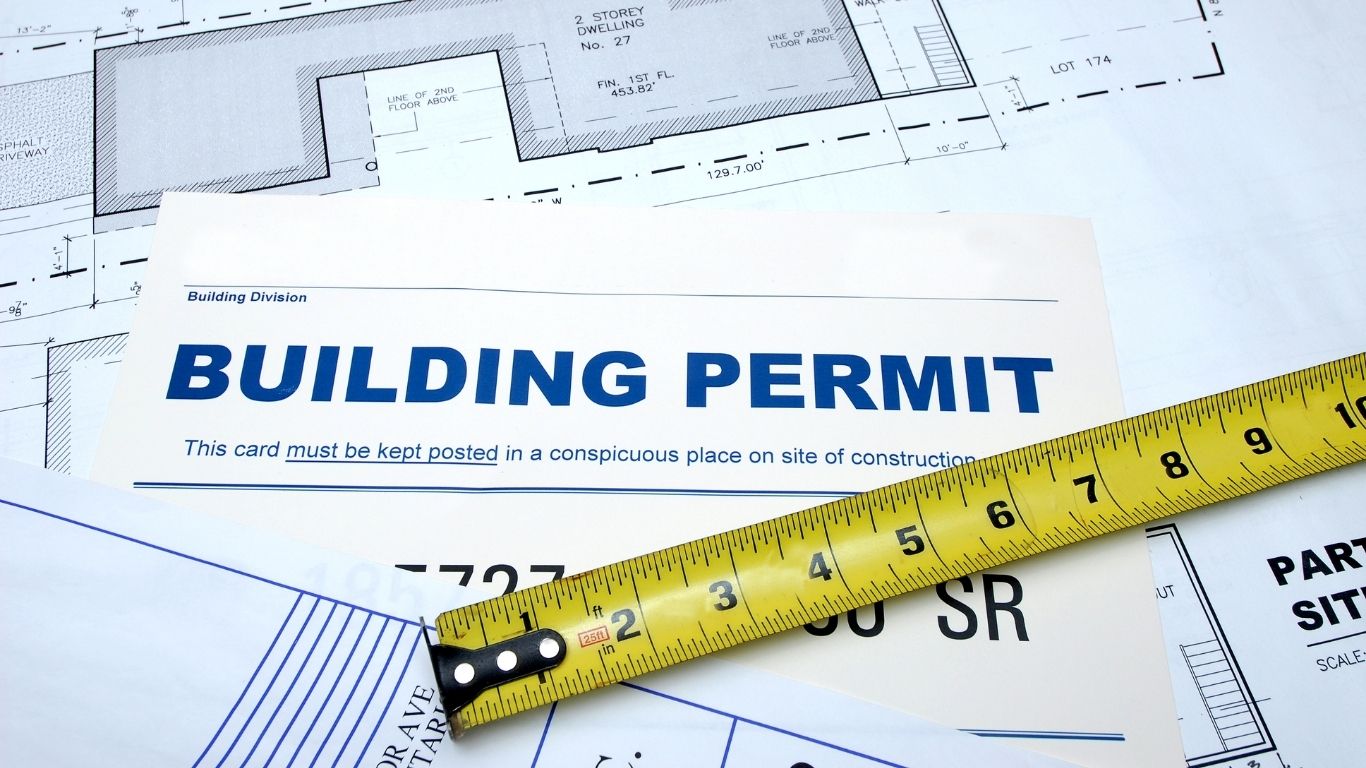
Building Permits
Once the design is complete and zoning is confirmed, we submit for building permits. Lehigh Valley municipalities review plans to verify compliance with:
- Pennsylvania Uniform Construction Code
- Energy conservation requirements
- Structural safety standards
- Fire safety regulations
- Accessibility requirements
Permit review timelines vary by municipality but typically require several weeks. Our established relationships with local building departments and our track record of submitting complete, compliant plans often expedite this process.
Septic and Well Permits
For properties not connected to public utilities, additional permits are required:
Septic System: If your lot requires on-site sewage disposal, a soil percolation test must be conducted and a septic system designed to meet Pennsylvania Department of Environmental Protection standards. We coordinate testing, design, and permit acquisition.
Water Well: Properties without public water require a well drilled by a licensed well driller. Water quality testing and well permits ensure your water supply is safe and adequate.
Environmental Considerations
Some properties involve environmental sensitivities that require additional review:
- Wetlands delineation and permits if wetlands are present
- Stormwater management plans to control runoff
- Erosion and sediment control plans during construction
- Tree removal permits in some municipalities
We identify these requirements early and incorporate necessary approvals into your project timeline.
Budgeting Your Custom Home: Understanding Costs
Budget questions rank among the most common concerns we hear from prospective clients. Understanding what drives custom home costs and how to establish a realistic budget provides an essential foundation for your project.
Cost Factors in Custom Home Construction
Custom home costs vary significantly based on numerous factors:
Size: Square footage directly impacts cost, but the relationship is not purely linear. Smaller homes often have higher per-square-foot costs because fixed expenses like kitchens and bathrooms represent a larger percentage of the total. A 2,000-square-foot home might cost more per square foot than a 4,000-square-foot home.
Design Complexity: Homes with complex roof lines, numerous corners, vaulted ceilings, or intricate architectural details cost more to build than simpler rectangular designs. Every angle, elevation change, and custom element requires additional labor and materials. While architectural complexity adds beauty and character, it also adds cost.
Site Conditions: Challenging sites increase costs substantially. Steep slopes require more extensive foundation work and may necessitate specialized equipment. Remote locations may involve longer material delivery distances. Properties without public utilities need wells and septic systems. Rocky soil conditions increase excavation costs. We evaluate these factors during initial site analysis to provide accurate budget guidance.
Finishes and Materials: Your selections for flooring, cabinetry, countertops, fixtures, appliances, and other finishes dramatically impact total cost. The difference between basic builder-grade finishes and luxury materials can represent hundreds of thousands of dollars. We help you understand the cost implications of different finish choices so you can allocate your budget where it matters most to you.
Systems and Technology: Geothermal heating and cooling, advanced home automation, commercial-grade appliances, wine cellars, home theaters, and other specialized systems add to your investment. We discuss which technologies align with your lifestyle and budget priorities.
Establishing Your Budget
We recommend approaching your budget from two directions simultaneously:
Top-Down: Determine your overall investment capacity based on your financial situation, financing availability, and comfort level. This establishes the absolute ceiling for your project. Be realistic about what you can comfortably invest without overextending financially.
Bottom-Up: Based on your design vision, we estimate what your dream home will actually cost to build. This reality-checks whether your vision aligns with your financial parameters. When these numbers align, we proceed with confidence. When they do not, we work together to identify modifications that bring the project into budget without sacrificing what matters most to you.
Typical Investment Ranges
While every project is unique, custom homes in Lehigh Valley typically range from $350 to $600+ per square foot, depending on finish level and complexity. A 3,500-square-foot custom home might represent an investment between $1.2 million and $2.1 million.
These figures include:
- Design and architectural services
- All construction labor and materials
- Site work and utilities
- Permits and fees
- Project management
They typically do not include:
- Land acquisition
- Landscaping and hardscaping beyond basic grading
- Furniture and window treatments
- Some luxury upgrades or specialty systems
We provide detailed, line-item budgets so you understand exactly what is included and where your investment is allocated.
Protecting Against Cost Overruns
Budget concerns often stem from stories about projects that drastically exceed initial estimates. We protect against this through:
Detailed Preconstruction Planning: By fully developing your design and specifications before construction begins, we eliminate the ambiguity that leads to cost surprises.
Comprehensive Contracts: Our agreements clearly specify what is included in your project. This prevents misunderstandings about scope.
Transparent Change Order Process: If you request changes during construction, we provide cost and timeline impacts before proceeding. You never receive surprise bills for work you did not explicitly approve.
Contingency Planning: We include appropriate contingencies for unforeseen conditions. This buffer handles unexpected site conditions or other variables without derailing your budget.
| KEY INSIGHT: Budget transparency starts with honest conversations about realistic costs based on your vision. By providing detailed line-item budgets, clear contract specifications, and transparent change order processes, we protect you from the cost overruns that plague projects with inadequate planning or unclear communication. Understanding where every dollar goes empowers you to make confident decisions throughout your project. |
The Construction Timeline: What to Expect
Understanding the timeline for designing and building your custom home helps you plan accordingly and sets realistic expectations.
Typical Project Phases and Duration
Understanding the timeline for designing and building your custom home helps you plan accordingly and sets realistic expectations. While every project is unique, most custom homes follow a similar progression through distinct phases.
Typical Project Phases and Duration
Initial Consultation & Site Analysis (1-2 weeks): Discovery meetings help us understand your vision, lifestyle needs, and aesthetic preferences. Site visits assess topography, views, access, and environmental characteristics. Budget discussions establish financial parameters.
Conceptual Design (3-4 weeks): Space planning, preliminary drawings, and style development translate your vision into initial architectural concepts. We refine these concepts based on your feedback until the direction feels right.
Design Development (6-8 weeks): Detailed plans, material selections, and engineering coordination define every aspect of your home. This phase involves numerous decisions about finishes, fixtures, and systems.
Construction Documentation (3-4 weeks): Final construction drawings and specifications are prepared for permit submission and construction. These detailed documents ensure builders have complete information for accurate construction.
Permitting (4-8 weeks): Plan submissions to local municipalities, reviews by building departments, and permit issuance vary by jurisdiction. We manage this process and maintain communication with officials to expedite approvals.
Site Preparation (2-4 weeks): Clearing, excavation, and utility installation prepare the property for foundation work. Challenging sites may require longer site preparation periods.
Foundation (3-4 weeks): Footings, foundation walls, waterproofing, and backfill create the structural base for your home. Weather and soil conditions can impact this timeline.
Framing (6-8 weeks): Floor systems, wall framing, roof framing, and sheathing establish your home’s structure and define spaces. This phase transforms flat lots into recognizable buildings.
Mechanicals, Electrical, Plumbing (6-8 weeks): Rough-in of all systems includes HVAC ductwork, electrical wiring, and plumbing pipes. Multiple inspections occur during this phase to verify code compliance.
Insulation & Drywall (4-5 weeks): Insulation installation, drywall hanging, finishing, and painting prepare walls and ceilings for finish work.
Interior Finishes (8-10 weeks): Flooring, cabinetry, trim, tile, fixtures, and appliances bring your design vision to life. This phase requires numerous decisions and installations.
Exterior Finishes (6-8 weeks): Siding, roofing, masonry, exterior trim, and decks complete your home’s exterior. Many exterior tasks can occur simultaneously with interior finishing.
Final Details (2-3 weeks): Punch list completion, final inspections, and cleaning, prepare your home for occupancy. We conduct thorough walkthroughs to ensure every detail meets our standards.
Total Timeline: From initial consultation to move-in, expect 12 to 18 months for most custom homes.
Factors That Affect Timeline
Several variables can extend or compress this schedule:
Permit Processing: Some municipalities process permits faster than others. Complex projects requiring variances or additional approvals take longer.
Weather: Pennsylvania weather can impact construction, particularly during site work, foundation, and roofing phases. We plan for weather delays, but cannot control them.
Material Lead Times: Some finish materials and custom elements have extended lead times. Early selection and ordering help maintain the schedule.
Decision-Making: Timely decisions about design details, finishes, and change requests keep the project moving. Delayed decisions can extend the timeline.
Complexity: Larger, more complex homes naturally require more construction time than simpler designs.
Staying Informed Throughout Construction
We maintain regular communication throughout your project:
Regular Updates: You receive scheduled progress updates documenting work completed, upcoming activities, and any issues requiring attention.
Site Visits: You are welcome to visit your home under construction. We schedule regular walkthroughs at key milestones so you can see progress firsthand and ask questions.
Digital Access: Many clients appreciate access to project management software that lets them view schedules, photos, and documents from anywhere.
Direct Communication: Your project manager serves as your primary contact, available to address questions or concerns as they arise.
Integrating Interior Design with Architecture
One distinguishing characteristic of truly exceptional custom homes is the seamless integration of architectural design and interior design. When these disciplines work in harmony from the beginning, every element of your home reflects a cohesive vision.
The Advantage of Early Interior Design Involvement
Many homeowners treat interior design as an afterthought, beginning that process only after construction is underway or even complete. This approach misses significant opportunities:
Spatial Planning: Interior designers bring a crucial perspective to space planning decisions. They understand furniture scale, traffic flow, and how rooms will actually function when furnished. This insight during architectural design prevents spaces that look great empty, but feel awkward when you live in them.
Integrated Details: When interior designers participate early, architectural details can be designed specifically to enhance your interior vision. Custom built-ins, specialized lighting, unique ceiling treatments, and other architectural elements are planned as integral parts of the design rather than added later.
Finish Coordination: Architectural materials like flooring, trim profiles, and built-in cabinetry coordinate with furniture, window treatments, and decorative elements to create cohesive style throughout your home. This coordination prevents the disjointed feeling that results when architectural and interior elements compete rather than complement.
Systems Planning: Interior designers help identify electrical and plumbing needs based on how you will use each space. They ensure outlets are positioned for lamps and electronics, lighting controls are convenient, and plumbing locations support your bathroom and kitchen layouts.
Our Integrated Approach
We incorporate interior design thinking throughout the architectural process. Even if you work with an independent interior designer, we collaborate closely to ensure their vision can be fully realized in the architectural plans.
For clients who want comprehensive design-build services, our team can provide architectural and interior design, ensuring accountability for every aspect of your home’s design. This integrated approach ensures perfect alignment between architectural bones and interior finishes.
Key Interior Considerations During Architectural Planning
Kitchen Design: Your kitchen represents one of your home’s most significant investments. Early interior design input ensures adequate space for your preferred cabinet layout, appliance package, and island configuration. It confirms lighting is positioned perfectly over work surfaces and dining areas.
Bathroom Layouts: Bathroom functionality depends on thoughtful space planning. Shower sizes, vanity configurations, toilet placement, and storage all require coordination between the architectural and interior design teams.
Lighting Design: Comprehensive lighting plans integrate architectural lighting (recessed cans, cove lighting, accent lighting) with decorative fixtures (chandeliers, pendants, sconces) to create layers of light that are both functional and beautiful.
Built-In Elements: Custom built-ins, entertainment centers, window seats, and other integrated furnishings are designed and built as part of the home’s construction, ensuring a perfect fit and finish that match the rest of your millwork.
Site Selection: Choosing the Perfect Location
If you have not yet purchased land, site selection represents one of your most important decisions. The characteristics of your property will influence design possibilities, construction costs, and your long-term enjoyment of your home.
Evaluating Potential Properties
Topography: Examine the slope and contours of the land carefully. Gently sloping lots often provide the ideal balance, offering good drainage without requiring excessive grading or foundation work. Steep slopes can create stunning designs with walkout basements and dramatic views, but increase construction costs due to complex foundation requirements and site preparation.
Views and Orientation: Consider sight lines from potential home locations on the property. South-facing sites capture maximum natural light throughout the day and seasons. Properties with valley views, mountain vistas, or wooded surroundings offer aesthetic value that enhances your daily living experience and long-term property value.
Access: Evaluate how the property connects to public roads. Long, steep driveways through challenging terrain increase development costs and may present winter maintenance challenges. Access also affects construction logistics and material delivery.
Utilities: Determine what utilities are available at the property. Public water and sewer significantly reduce development costs compared to wells and septic systems. Electric, gas, and internet availability also matter for both construction and long-term living comfort.
Soils: Soil conditions affect both foundation costs and septic system viability if on-site sewage treatment is required. Rocky soils increase excavation costs substantially. Clay or unsuitable soils may require special septic designs or imported fill materials.
Environmental Characteristics: Identify wetlands, floodplains, steep slopes, or other environmental features that may trigger additional regulations or restrict building locations. These constraints may limit usable building area or require costly mitigation measures.
Neighborhood Character: Even for rural properties, consider surrounding land uses. Are neighboring properties well-maintained? Are there commercial operations, farms, or industrial uses that might impact your enjoyment? Understanding the neighborhood context helps ensure long-term satisfaction with your location choice.
Working with Your Existing Land
Many clients already own the property where they will build, whether family land held for years or a recently purchased lot. We work with whatever site characteristics exist, designing homes that capitalize on the property’s strengths and mitigate its challenges.
Maximizing Assets: If your property offers spectacular views, we orient living spaces to capture them. Wooded sites might suggest designs that nestle into the landscape. Open sites might accommodate expansive architectural forms.
Addressing Challenges: Steep slopes, difficult access, or challenging soils require thoughtful solutions but rarely prevent building. We have successfully designed and constructed homes on remarkably challenging sites through careful planning and creative problem-solving.
Quality, Craftsmanship, and Materials
Your custom home represents a significant investment that should provide decades of enjoyment and retain value over time. This longevity depends on quality craftsmanship and appropriate material selections throughout construction.
Our Commitment to Quality
We approach quality through multiple complementary strategies:
Skilled Tradespeople: We partner with experienced carpenters, masons, electricians, plumbers, and other tradespeople who take pride in their work. Many have worked with us for years, understanding our expectations and sharing our commitment to excellence.
Detailed Specifications: Our construction documents specify not just what materials to use but how to install them. Proper installation techniques ensure materials perform as intended and last as long as they should.
Ongoing Supervision: Our project managers maintain constant oversight, inspecting work at every phase. We identify and correct issues immediately rather than allowing problems to get covered up or compounded.
Quality Materials: We specify materials proven to perform well in Pennsylvania’s climate. This means products that withstand freeze-thaw cycles, manage moisture properly, and maintain their appearance over time.
Critical Quality Elements
Certain aspects of construction particularly impact long-term home performance:
Foundation and Structure: Your home’s foundation must be properly designed for soil conditions and executed with precision. We ensure footings extend below frost depth, waterproofing protects against moisture intrusion, and drainage systems direct water away from the foundation.
Building Envelope: The assemblies that separate conditioned interior space from exterior conditions determine comfort, energy efficiency, and durability. We pay meticulous attention to insulation, air sealing, window installation, and moisture management.
Roofing System: Pennsylvania weather demands robust roofing. We use quality underlayment, proper flashing details, and professional installation to ensure your roof protects your home for decades.
Mechanical Systems: Heating, cooling, and ventilation systems sized and installed correctly provide reliable comfort and efficiency. We work with mechanical contractors who understand load calculations and proper installation practices.
View our completed homes to see the quality of craftsmanship and attention to detail we bring to every project.
Energy Efficiency and Smart Home Technology
Modern custom homes incorporate technologies that enhance comfort, reduce operating costs, and provide convenient control over home systems.
Energy-Efficient Design Strategies
Building an energy-efficient custom home begins with thoughtful design:
Optimal Orientation: We position your home on the site to maximize passive solar gain in winter while minimizing summer heat gain. South-facing windows capture warming winter sun, while roof overhangs shade them during summer, when the sun is higher.
High-Performance Building Envelope: Superior insulation, high-quality windows, and meticulous air sealing dramatically reduce heating and cooling loads. We typically exceed minimum code requirements for insulation, creating homes that are comfortable and economical to operate.
Efficient Systems: High-efficiency heating and cooling equipment, combined with properly designed ductwork, ensures comfort without excessive energy consumption. We evaluate various system options including heat pumps, geothermal systems, and high-efficiency furnaces to determine what makes sense for your home.
LED Lighting: We specify LED lighting throughout, reducing electrical consumption while providing excellent light quality.
Water Efficiency: Low-flow plumbing fixtures and efficient appliances reduce water consumption without sacrificing performance.
Smart Home Integration
Today’s technology allows unprecedented control and automation:
Lighting Control: Sophisticated lighting control systems let you create scenes, schedule lights, and control brightness throughout your home from wall switches, touchscreens, or smartphones.
Climate Management: Smart thermostats learn your preferences, adjust automatically for occupied and unoccupied periods, and provide remote control from anywhere.
Security and Monitoring: Integrated security systems, doorbell cameras, and remote monitoring provide peace of mind whether you are home or away.
Entertainment Systems: Whole-home audio, distributed video, and dedicated theater spaces create exceptional entertainment experiences.
Automated Shades: Motorized window treatments provide privacy, light control, and energy savings at the touch of a button.
We work with you to determine which technologies align with your lifestyle and budget, integrating necessary wiring and infrastructure during construction so systems can be easily implemented.
Choosing Your Lehigh Valley Custom Home Builder: What to Look For
Selecting the right builder might be the most consequential decision in your custom home journey. This partnership will span months or even years, and the builder you choose determines not only the quality of your finished home but the experience you have creating it.
Essential Qualities in a Custom Home Builder
Experience and Track Record: Look for builders with extensive experience, specifically in custom homes. Production homebuilding and custom building require different skill sets. Review portfolios showing diverse architectural styles and project types. Request references and actually contact past clients to learn about their experiences.
Design-Build Capability: We have discussed the advantages of integrated design and construction. Ensure your builder either offers in-house architectural services or works seamlessly with design partners.
Financial Stability: Custom home construction requires significant financial resources. Your builder must have the financial strength to purchase materials, pay subcontractors, and manage cash flow throughout your project—request information about business longevity, bonding capacity, and financial references.
Communication and Transparency: Pay attention during initial meetings. Does the builder listen carefully to your vision? Do they explain processes clearly? Are they transparent about costs, timelines, and potential challenges? The relationship you establish during initial conversations foreshadows the working relationship throughout your project.
Local Knowledge: Building in Lehigh Valley requires understanding local jurisdictions, building departments, soil conditions, and climate considerations. Builders with deep regional experience navigate these factors efficiently.
Quality Standards: Discuss the builder’s approach to quality control, supervision, and trade partner relationships. Ask about warranties and how they handle issues if problems arise.
Warning Signs to Avoid
Pressure Tactics: Reputable builders do not pressure you to sign contracts quickly or make rushed decisions. Take the time you need to evaluate options and feel confident in your choice.
Lack of Transparency: Be wary of builders who are vague about costs, reluctant to provide detailed contracts, or evasive about answering questions.
Unrealistic Promises: If pricing seems dramatically lower than other quotes or timelines appear too good to be true, proceed with caution. Quality construction requires appropriate time and budget.
Poor Communication: If a builder is difficult to reach or slow to respond during the sales process, communication is unlikely to improve during construction.
Limited Accountability: Builders who blame problems on subcontractors, architects, or suppliers without taking ownership suggest how they will handle issues during your project.
Questions to Ask Potential Builders
- How long have you been building custom homes in the Lehigh Valley?
- Can you provide references from recent custom home clients?
- May I visit homes you have built?
- What is your approach to design-build integration?
- How do you handle budgeting, and what is included in your quoted prices?
- What is your typical timeline for a custom home?
- How do you communicate with clients during construction?
- What warranties do you provide?
- How do you handle changes or unforeseen conditions during construction?
- Are you licensed, insured, and bonded?
- What sets you apart from other custom home builders?
Why Russo Design + Build Is Your Partner for Custom Home Excellence
For homeowners ready to create their dream custom home in Lehigh Valley, Russo Design + Build offers the integrated expertise, transparent process, and commitment to quality that transforms visions into reality.
Comprehensive Design-Build Services
We provide complete design-build services, seamlessly integrating architectural design with construction execution. This unified approach eliminates the communication gaps, accountability issues, and inefficiencies inherent in traditional design-then-build processes.
Our architectural team brings creativity, technical expertise, and practical building knowledge to every design. Because our designers and builders collaborate from the first sketch, we create homes that are both stunning and buildable. This collaboration avoids the budget surprises and field complications that plague projects where design and construction operate independently.
Transparent, Partnership-Based Approach
We believe in complete transparency throughout your project. From initial budget discussions through final walkthrough, you always understand where you stand regarding costs, timeline, and decisions that need to be made.
Our process emphasizes partnership. This is your home, reflecting your vision and lifestyle. We listen carefully, ask thoughtful questions, and provide expert guidance while respecting that the ultimate decisions are yours. We explain options, outline trade-offs, and ensure you have the information needed to make confident choices at every stage.
Proven Track Record of Excellence
Our portfolio demonstrates our capability across diverse architectural styles and project types. Whether you envision contemporary elegance, timeless traditional, or something uniquely yours, we have the design talent and construction expertise to execute your vision to the highest standards.
We invite you to speak with our past clients. Their experiences tell the story of what working with Russo Design + Build is truly like and confirm the quality, professionalism, and attention to detail we bring to every project. Real feedback from homeowners who have completed the journey provides a valuable perspective.
Deep Lehigh Valley Expertise
We know Lehigh Valley. We understand the permitting processes in Bethlehem, Allentown, Easton, and the surrounding townships. We are familiar with local soil conditions, climate considerations, and site characteristics throughout the region. This local knowledge enables us to navigate your project efficiently and design homes specifically suited to this area.
Our relationships with local building departments, engineers, and specialized tradespeople benefit your project through smoother approvals and access to the best professionals in the region. These connections have been built over years of consistent, quality work.
Commitment to Quality and Craftsmanship
We never compromise on quality. From the foundation you will never see to the finish details that define your home’s character, every element receives meticulous attention.
Our project managers maintain constant oversight, ensuring work meets our exacting standards before moving forward. We partner with skilled tradespeople who share our commitment to excellence and have proven their capabilities through years of collaboration on our projects.
The homes we build are designed to provide decades of enjoyment, maintain their beauty over time, and protect your investment. We build homes we are proud to sign our name to and that we would be honored to live in ourselves.
| KEY INSIGHT: Choosing Russo Design + Build means partnering with a team that integrates design expertise, construction excellence, and transparent communication. Our design-build approach eliminates the disconnects of traditional building while our local knowledge ensures efficient navigation of Lehigh Valley’s permitting and regulatory landscape. We build relationships, not just homes. |
Begin Your Custom Home Journey
Designing and building a custom home in Lehigh Valley represents an exciting opportunity to create a space perfectly tailored to your lifestyle, aesthetic preferences, and functional needs. The journey from initial vision to move-in day requires careful planning, skilled expertise, and a partnership built on trust and transparency.
By understanding the design-build process, knowing what to expect at each phase, asking the right questions, and selecting a builder committed to quality and clear communication, you set the foundation for a successful project and a home that exceeds your expectations.
If you are ready to explore the possibilities for your custom home, we invite you to connect with our team at Russo Design + Build. We would be honored to learn about your vision, discuss your property, and share how our design-build approach can bring your dream home to life.
Your Next Steps
Schedule a Consultation: Contact us to arrange an initial meeting. We will discuss your vision, timeline, and budget to determine if we are the right fit for your project.
Visit Our Portfolio: Review examples of our completed custom homes to see the quality, craftsmanship, and design diversity we deliver.
Speak with Our Clients: We are happy to connect you with homeowners who have built with us. Hearing their firsthand experiences provides a valuable perspective on what working with us is truly like.
Explore Your Options: Even if you are in the early stages of considering a custom home, we welcome the opportunity to provide information and guidance with no obligation. Early conversations help you make informed decisions about timing, budget, and feasibility.
The difference between simply building a house and creating your custom dream home lies in the partnership you choose. At Russo Design + Build, we bring together architectural creativity, construction expertise, and genuine commitment to your vision.
Your forever home awaits. Let’s design and build it together.
Frequently Asked Questions About Custom Home Design in Lehigh Valley
How long does it take to design and build a custom home in Lehigh Valley?
From initial consultation through move-in, expect 12 to 18 months for most custom homes in the Lehigh Valley area. Design and permitting typically require 4 to 5 months, with construction taking 8 to 13 months, depending on size and complexity. Weather conditions, material lead times for custom finishes, and your decision-making pace can impact this timeline. Working with an experienced Lehigh Valley custom home builder who understands local permitting processes helps minimize delays.
What does a custom home cost in Lehigh Valley?
Custom homes in Lehigh Valley typically range from $350 to $600+ per square foo,t depending on finishes, architectural complexity, and site conditions. A 3,500-square-foot home might represent an investment of $1.2 million to $2.1 million. Your specific project cost depends on your design vision, material selections, and property characteristics. Properties requiring wells, septic systems, or extensive site preparation will be at the higher end of this range.
Do I need to own land before starting the design process?
While having property certainly helps, you can begin preliminary design conversations before securing land. In fact, working with us during your land search allows us to evaluate potential properties for buildability, helping you make an informed purchase decision. We can assess sites for challenging conditions, zoning compliance, and design possibilities before you commit to buying.
What is included in a design-build contract?
Our comprehensive contracts specify all design services, construction labor and materials, site work, permits and fees, and project management. We provide detailed line-item budgets so you understand exactly what is included in your investment. Land acquisition costs, landscaping beyond basic grading, furniture and window treatments, and some specialty systems are typically separate. This transparency prevents surprises and ensures clear expectations.
How involved will I be in the design process?
As involved as you want to be. Some clients love participating in every detail decision, while others prefer to establish overall direction and trust our team for specifics. We adapt to your preferred level of involvement, ensuring you stay informed and engaged at a pace that works for your schedule and interest level. Regular check-ins keep you updated regardless of how involved you choose to be.
What happens if we want to make changes during construction?
Changes are common in custom home building as visions evolve and new ideas emerge. When you request modifications, we provide cost and timeline impacts before proceeding with any work. Once you approve the change order in writing, we will incorporate the revision into your project. This transparent process prevents surprise costs and ensures you always know exactly what you are approving.
How do you ensure quality throughout construction?
Our project managers provide constant on-site oversight, inspecting work at every phase of construction. We partner with skilled tradespeople we have worked with for years, many of whom have been with us on dozens of projects. Detailed specifications ensure proper installation methods for every material. We address issues immediately rather than allowing problems to continue or get covered up, preventing small issues from becoming major problems.
What areas of Lehigh Valley do you serve?
We build throughout Lehigh Valley, including Bethlehem, Allentown, Easton, and surrounding communities in Northampton and Lehigh Counties. Our experience spans diverse sites across the region, from wooded hillside properties to open farmland locations. Our familiarity with municipal processes throughout the region benefits every project we undertake.
Do you offer warranties on your work?
Yes. We provide comprehensive warranties covering workmanship and materials. Specific warranty terms are detailed in your contract, and we honor our commitments long after you move in. We stand behind every home we build and maintain relationships with our clients long after project completion.
What makes design-build better than traditional construction for a Lehigh Valley custom home builder?
Design-build integrates architectural design and construction under one team, creating seamless communication, clear accountability, budget transparency, and streamlined timelines. You work with a single partner from initial concept through completion rather than coordinating between separate architects and contractors who may have competing priorities. This unified approach eliminates the communication gaps and finger-pointing that often plague traditional projects when problems arise.
The Lehigh Valley Custom Home Experience You Deserve
Building a custom home should be exciting, not stressful. You should feel confident in your builder, informed about your project’s progress, and enthusiastic about the home taking shape. When the process is managed with expertise, transparency, and genuine care for your vision, creating your custom home becomes a rewarding journey you will look back on with satisfaction rather than frustration.
At Russo Design + Build, we understand both the practical and emotional dimensions of custom home creation. We bring the technical expertise, design talent, and construction skill your project demands. But we also bring empathy, clear communication, and respect for the trust you place in us.
Your home tells your story. It reflects your achievements, supports your lifestyle, and provides the backdrop for your family’s memories for generations. This deserves a Lehigh Valley custom home builder who sees beyond lumber and drywall to the life you will live within those walls.
If you are ready to begin designing your custom home in Lehigh Valley, we would be honored to partner with you on this journey. Contact Russo Design + Build today to schedule your consultation and take the first step toward the home you have always envisioned.