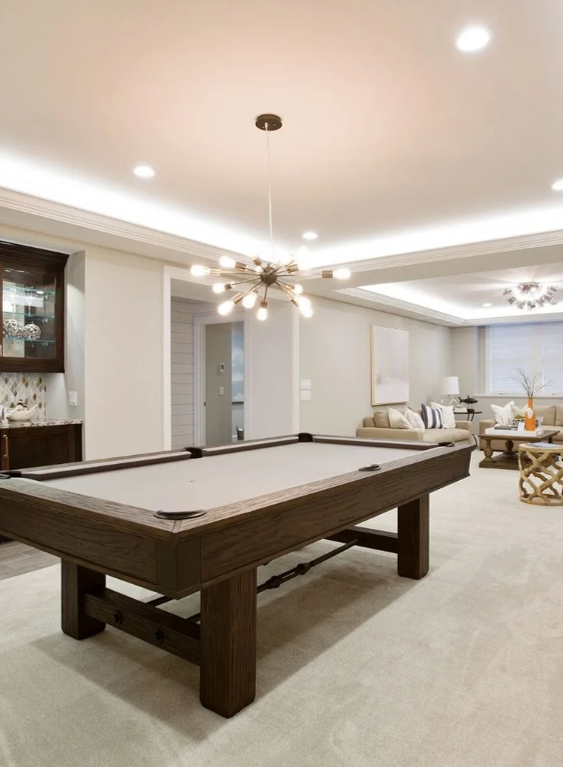
Your basement represents hundreds of square feet of potential living space sitting mostly unused. While basement finishing might feel overwhelming at first, understanding the process makes it manageable. Pennsylvania homeowners face specific considerations that don’t apply everywhere else, from egress window requirements to moisture challenges common in our climate.
This guide walks through everything you need to know about finishing a basement in Pennsylvania. We’ll cover moisture management, code requirements, layout planning, and design choices that turn dark storage space into rooms your family actually wants to use.
Why Finish Your Basement?
The reasons to finish a basement go beyond just adding square feet. A properly finished basement solves real problems and creates opportunities that didn’t exist before.
Additional living space tops the list for most homeowners. Whether you need a home office, guest bedroom, playroom, or entertainment area, your basement offers room to expand without the expense of building an addition. Finished basements typically recoup 70% to 86% of project costs when you sell, making this one of the better renovation investments.
Beyond financial returns, finished basements improve daily life. Parents get space to separate noisy activities from quiet areas. Multi-generational families can create independent living quarters. Home-based businesses gain a professional workspace. The flexibility matters more than square footage alone.
Pennsylvania’s climate makes basements particularly valuable. During summer humidity and winter cold, the temperature-controlled basement space stays comfortable year-round. Properly insulated and finished, basements become some of the most energy-efficient areas in your home.
Understanding Basement Moisture Control
Moisture control isn’t just important for basement finishing. It’s absolutely critical. Skip this step, and you’ll deal with mold, damaged materials, and wasted money within a few years.
How Moisture Enters Basements
Water moves into basements through four main mechanisms: liquid water flow, capillary suction, vapor diffusion, and air movement. Understanding these helps you address the right problems.
Liquid water is what most people picture. This includes foundation leaks, poor grading that directs rainwater toward your house, or missing gutters and downspouts. These problems need fixing before you install a single piece of drywall.
Capillary action pulls moisture up through concrete. Even solid-looking concrete is porous enough to wick water from the ground beneath it. This explains why basement floors sometimes feel damp even without visible leaks.
Vapor diffusion occurs when humid air contacts cool basement walls and condenses. If you’ve ever seen moisture beads on basement walls during humid summer months, you’ve witnessed vapor diffusion in action.
Air movement accounts for over 98% of water vapor transport in buildings. Air naturally flows from high-pressure to low-pressure areas through any available gap in your foundation or walls.
Evaluating Your Basement’s Moisture Situation
Start by spending time in your unfinished basement during different weather conditions. Check after heavy rain. Visit during humid summer days. Look during the spring thaw when groundwater is highest.
Signs of moisture problems include water stains on walls or floors, efflorescence (white powder on concrete), musty odors, rust on metal, and visible mold growth. Don’t assume a dry-looking basement is problem-free. Some moisture issues only appear seasonally or during specific weather events.
The tape test provides a simple diagnostic tool. Tape a square foot of aluminum foil to your basement wall and floor. Check it after a few days. Moisture on the room-facing side indicates condensation from humid air. Moisture behind the foil means water is coming through the wall or floor itself.
Addressing Moisture Before Finishing
The Department of Energy recommends a multi-faceted approach to basement moisture management that addresses both exterior and interior factors.
Exterior solutions prevent water from reaching your foundation. Ensure your property slopes away from the house at least six inches over 10 feet. Install or repair gutters and downspouts, directing water at least four feet from your foundation. Consider adding or repairing exterior drainage systems if problems persist.
Interior solutions manage moisture that does reach your basement. This often includes installing a sump pump system, adding interior drainage along the footer, applying waterproof coatings to walls, and installing a high-quality dehumidifier. Modern moisture management systems combine multiple approaches for long-term protection.
Some moisture problems require professional waterproofing contractors. If you’re seeing active water intrusion, repeated flooding, or structural cracks, get an expert assessment before moving forward with finishing. The money spent on proper waterproofing saves many times more in prevented damage and failed renovation costs.
Pennsylvania Building Codes and Permits
Pennsylvania follows the International Residential Code (IRC) with some local modifications. What that means for you is that basement finishing requires permits in most municipalities, and those permits come with specific requirements you need to meet.
When You Need Permits
Any basement project that involves structural changes, new plumbing, electrical work, or HVAC modifications requires permits. This covers most basement finishing projects. Even if you’re “just adding walls and drywall,” you’re likely running electrical outlets and lights, which triggers permit requirements.
Permit costs vary by municipality but typically range from a few hundred to over a thousand dollars, depending on project scope. While it feels tempting to skip permits, don’t. Unpermitted work creates problems when you sell your home, can void insurance coverage if something goes wrong, and may require expensive corrections if discovered later.
Your local building department wants to ensure work meets safety standards. That actually protects you. Code requirements exist because people got hurt or buildings failed when certain safety measures weren’t followed.
Egress Window Requirements in Pennsylvania
Pennsylvania requires emergency egress windows in any basement bedroom and in basements with habitable space. This isn’t optional. It’s a life safety code designed to provide escape routes during emergencies.
An egress window must meet specific size requirements. The net clear opening (the actual open space when the window is fully open) must measure at least 5.7 square feet for most applications. The opening must be at least 24 inches high and 20 inches wide. The window sill can sit no more than 44 inches above the floor.
For basement egress windows, you’ll need a window well if the window sits below grade. The well must provide at least 9 square feet of area with minimum dimensions of 36 inches in both horizontal projection and width. Wells deeper than 44 inches require a permanently attached ladder or steps.
Pennsylvania municipalities in Berks, Lehigh, Chester, and Montgomery Counties generally follow these standards with occasional local variations. Always check with your specific building department to confirm requirements for your area.
Installing egress windows typically means cutting through your foundation. This is serious structural work best left to professionals who understand foundation integrity and proper installation methods.
Ceiling Height Requirements
Pennsylvania requires a minimum 7-foot ceiling in finished basement spaces. This applies to at least 50% of the finished area. Spaces under beams, ductwork, or other obstructions can dip to 6 feet 4 inches, but this can’t exceed half the room area.
If your basement doesn’t meet minimum ceiling height requirements, finishing becomes more complicated. Some homeowners excavate to lower the floor (expensive and complex). Others leave the basement unfinished or use it only for storage and utilities (which don’t require 7-foot ceilings).
Before planning your layout, measure ceiling heights throughout your basement. Account for adding flooring systems that raise the floor and ceiling finishes that lower the ceiling. You might have less clearance than you think.
Plumbing and Electrical Codes
Adding a basement bathroom means complying with plumbing codes. Fixtures below the main sewer line require sewage ejector pumps. Venting requirements ensure proper drainage and prevent sewer gases from entering living spaces. We’ll cover bathroom specifics later, but know that plumbing work requires licensed professionals in most Pennsylvania municipalities.
Electrical work must meet current code standards. This includes proper circuit sizing, GFCI protection in bathrooms and other wet areas, sufficient outlet spacing, and proper grounding. Even if you’re handy, electrical work typically requires a licensed electrician for both safety and code compliance.
HVAC changes often fall under mechanical permits. Adding basement space to your heating and cooling system requires proper sizing calculations and potentially new equipment. Don’t assume your current system can handle the additional load without evaluation.
Planning Your Basement Layout
Good layout planning makes the difference between a basement that gets used and one that sits empty. Think about how you actually live before deciding where the walls go.
Assessing Your Space
Start by measuring carefully. Note the location of stairs, support columns, mechanicals, windows, and utilities. These fixed elements shape what’s possible. You can’t move (or shouldn’t move) support columns. Stairs eat up significant square footage. Furnaces, water heaters, and electrical panels need access.
Many Pennsylvania basements include stone or block foundations on some walls. These may limit finishing options compared to poured concrete. Look for low spots in the floor that might collect water. Identify any foundation cracks or defects that need repair before finishing.
Consider ceiling height variations throughout the space. Ductwork often creates lower areas. Some basement sections might not meet minimum height requirements for finished space.
Common Basement Layouts
Open plan layouts maximize flexibility. Rather than creating multiple small rooms, this approach defines areas through furniture placement and visual cues while maintaining sight lines throughout the space. Open layouts work well for entertainment areas, family rooms, and home gyms.
Defined room layouts create separate spaces with walls and doors. This approach works when you need bedrooms, home offices, or other areas requiring privacy and sound control. The tradeoff is less flexibility and usually higher construction costs.
Many successful basements combine both approaches. An open entertaining area might include a separate bedroom suite or office behind closed doors. This hybrid layout provides both gathering space and private areas as needed.
Maximizing Natural Light
Basements struggle with natural light by definition. Every bit of daylight you can bring in makes the space feel more welcoming.
Existing windows provide obvious opportunities. Enlarging windows (within code requirements) brings in more light. Adding window wells can transform small openings into meaningful light sources.
If your basement opens to grade on one side, you have walk-out potential. Walk-out basements feel more like ground-level spaces. They’re easier to access, provide better natural light, and typically command higher values. Creating a walk-out when one doesn’t exist requires significant excavation, but the transformation can be dramatic.
Light paint colors, strategic mirror placement, and thoughtful artificial lighting help compensate for limited natural light. We’ll cover lighting design in the finishing section.
Addressing Support Columns
Support columns present both challenges and opportunities. You can’t remove them (they’re holding up your house), but you can integrate them into your design.
Some approaches include wrapping columns with finish materials to match your aesthetic, building partial walls that incorporate columns as endpoints, creating room dividers that use columns as natural separators, or designing built-ins around columns to hide them within functional elements.
Columns spaced appropriately can actually help define areas within open layouts. The key is planning a room arrangement to work with column locations rather than fighting against them.
HVAC and Climate Control
Comfortable temperature and humidity control make basements feel like a real living space rather than glorified storage areas.
Heating and Cooling Options
Most Pennsylvania homes need both heating and cooling in finished basements. Leaving basements unheated saves energy but makes the space unusable during cold months. Cooling becomes essential during humid summers when basements can feel damp and uncomfortable.
Extending your existing forced-air system is the most common approach. This requires properly sized ductwork to deliver conditioned air to new spaces. Don’t assume your current furnace and air conditioner can handle the additional load. Have your HVAC contractor perform load calculations to determine if system upgrades are needed.
Ductwork installation in finished basements requires careful planning. You need to maintain minimum ceiling heights while running necessary ductwork. Some solutions include soffit enclosures that hide ducts while preserving height in main areas, strategically routed ducts that follow ceiling perimeters, or mini-split systems that eliminate ductwork requirements entirely.
Mini-split heat pumps offer an alternative that avoids ductwork challenges. These systems provide both heating and cooling efficiently and allow independent temperature control from upstairs areas. The main drawback is the higher upfront cost compared to extending existing systems.
Radiant floor heating works particularly well in basements. Installing heating elements under basement flooring provides comfortable warmth without ductwork or wall-mounted units. This approach often pairs with a separate cooling solution for summer months.
Humidity Control
Basements naturally tend toward higher humidity than above-grade spaces. Even with proper moisture barriers and waterproofing, you’ll want active humidity control in finished basements.
Whole-house dehumidifiers integrate with your HVAC system to maintain consistent humidity levels. These systems work automatically and efficiently, typically maintaining humidity between 30-50% (the ideal range for comfort and preventing mold growth).
Standalone dehumidifiers work for smaller spaces or as supplemental control. Size these properly for your square footage. Undersized units run constantly without achieving target humidity levels. Look for models that drain automatically rather than requiring you to empty collection buckets.
Proper ventilation and humidity control become even more important if your basement includes bathrooms, kitchens, or laundry facilities that generate moisture. Exhaust fans should vent to the exterior, not just into the basement space.
Insulation and Vapor Barriers
Proper insulation and vapor barriers control both temperature and moisture in finished basements. Get these right, and your basement stays comfortable year-round. Get them wrong, and you’re dealing with condensation, mold, and failed finishes.
Foundation Wall Insulation
Pennsylvania’s climate requires insulation on basement walls to meet energy codes and maintain comfort. The question is what type and how much.
Rigid foam insulation applied directly to foundation walls is common and effective. This approach provides continuous insulation without thermal bridging. Foam board also acts as a vapor barrier when joints are properly sealed.
Framing interior walls with fiberglass or mineral wool insulation is less efficient due to thermal bridging through studs, but it allows easier installation of electrical and plumbing within wall cavities. This method requires separate vapor barriers.
Spray foam insulation provides excellent thermal performance and air sealing in one application. The higher cost often pays off in comfort and energy savings, particularly in older homes with less-than-perfect foundations.
Whatever insulation method you choose, leave appropriate air gaps behind wall finishes if code requires. Some Pennsylvania jurisdictions require drainage planes between insulation and foundation walls to handle any moisture that does penetrate.
Floor Systems and Insulation
Cold basement floors make the entire space uncomfortable. Several approaches address this problem.
Floating subfloor systems raise the floor slightly and provide both insulation and a level surface for finish flooring. These systems typically include foam insulation panels with interlocking subflooring on top. They’re relatively easy to install and work well over uneven concrete.
Sleeper systems use treated wood framing to create raised floors with insulation between members. This approach requires more height but allows running utilities under the floor if needed.
Rigid foam insulation directly on concrete provides a thermal break with minimal height impact. You’ll need subflooring over the foam to support finish flooring. Ensure the concrete is completely dry before installing foam to prevent moisture trapping.
Radiant heating systems embedded in or under basement floors provide both heating and insulation benefits. While more expensive upfront, this approach eliminates the need for other floor insulation and provides superior comfort.
Wall and Ceiling Finishes
The finishes you choose affect both appearance and long-term performance. Basements need materials that handle occasional moisture without failing.
Wall Finishing Options
Drywall is the standard basement wall finish. It’s cost-effective, provides a clean appearance, and works with any decorating style. Use moisture-resistant drywall in basements rather than standard drywall. Mold-resistant drywall adds another layer of protection.
Some contractors recommend leaving a small gap between the bottom of the drywall and the floor. This allows any floor-level moisture to evaporate rather than wicking up into the drywall. The gap gets hidden by baseboard trim.
Consider painting with mold-resistant paint formulated for high-humidity areas. This provides additional protection against moisture-related problems.
Wood paneling offers a different aesthetic and natural warmth. Modern paneling bears little resemblance to the dark knotty pine associated with old basement rec rooms. Today’s options include sophisticated finishes in various wood species.
Avoid paneling that sits directly against foundation walls without proper moisture barriers and air gaps. Trapped moisture causes paneling to deteriorate and creates mold problems.
Some homeowners choose to leave foundation walls exposed (particularly newer homes with attractive poured concrete). This works in some design aesthetics and eliminates moisture concerns with finishes. The tradeoff is cold walls without the thermal benefits of insulation.
Ceiling Treatments
Drywall ceilings provide the most finished look and best sound control between floors. The main challenges are height limitations and access to utilities. Once you drywall a basement ceiling, accessing plumbing or wiring above requires cutting holes.
Drop ceilings (suspended grid systems) sacrifice some height but provide easy access to utilities. Modern drop ceiling options look much better than older systems. You can find tiles that mimic drywall appearance or choose decorative options for different looks.
Exposed ceilings painted in dark colors can work in the right design context. Painting joists, ductwork, and utilities flat black or charcoal makes them visually recede. This approach maximizes ceiling height and maintains utility access at the cost of less sound control between floors.
Beam ceilings wrap joists with decorative materials while leaving the space between open. This provides some finished appearance while maintaining access and height.
Flooring Choices
Basement flooring needs to handle potential moisture while providing comfort and appearance.
Luxury vinyl plank (LVP) has become the go-to choice for many basement projects. It’s completely waterproof, comfortable underfoot, available in hundreds of styles, relatively affordable, and easy to install as a floating floor that tolerates minor substrate imperfections.
Engineered hardwood works in basements better than solid hardwood (which shouldn’t be used below grade). Choose engineered products with waterproof cores designed for basement applications.
Tile provides completely waterproof flooring, but feels cold without radiant heating. Tile works particularly well in basement bathrooms and wet bar areas.
Carpet adds warmth and comfort but poses risks in basements prone to moisture. If you choose carpet, use carpet squares rather than wall-to-wall installation. Squares can be replaced individually if moisture problems occur. Never install carpet directly on concrete without proper subfloor and moisture barriers.
Stained or painted concrete offers a modern industrial aesthetic. Sealed concrete is waterproof and durable. The main drawback is the hardness underfoot. Area rugs can address this in seating areas.
Electrical and Lighting
Proper electrical planning and good lighting design transform basements from dark dungeons into bright, welcoming spaces.
Electrical Planning
Plan more outlets than you think you need. Modern life involves lots of electronics and devices. Spacing outlets 6 feet apart along walls (rather than the 12-foot maximum code requires) makes rooms more functional.
Consider where the furniture will sit. Nothing’s more frustrating than outlets hidden behind sofas or too far from desks. Floor outlets work well in open spaces where wall outlets won’t reach.
GFCI protection is required for basement areas prone to moisture, including bathrooms, wet bars, and laundry areas. GFCI outlets or breakers prevent shocks in areas where water and electricity might meet.
Plan for adequate circuits. Basements often need several new circuits to handle lighting, outlets, bathrooms, entertainment systems, and other electrical loads. Undersized electrical systems cause tripped breakers and create safety hazards.
If you’re adding a home theater or high-end entertainment system, consider dedicated circuits for sensitive electronics. Voltage fluctuations from shared circuits can affect performance.
Lighting Design
Basements need more artificial light than above-grade spaces due to limited windows. Multiple light sources on different switches provide flexibility for different activities and times of day.
Recessed lighting provides general illumination without consuming headroom. Space fixtures appropriately to avoid dark areas. Dimmer switches add versatility, allowing bright light for activities and softer light for entertaining or watching movies.
Task lighting addresses specific needs. Under-cabinet lights in wet bar areas, desk lamps in home offices, and reading lights near seating areas supplement general lighting where needed.
Accent lighting highlights architectural features, artwork, or decorative elements. This adds visual interest and makes spaces feel more intentional and designed.
Natural light tubes bring daylight into interior basement areas without windows. These systems capture sunlight at the roof and channel it through reflective tubes to light fixtures below. They work best for supplemental lighting in powder rooms, hallways, or utility areas.
Color temperature matters more than people realize. Warm white bulbs (2700-3000K) create comfortable, inviting spaces. Cool white or daylight bulbs (4000-5000K+) feel harsh in living spaces but work well in workshops or laundry areas where true color rendering matters.
Specific Room Considerations
Different room types have unique requirements beyond basic basement finishing principles.
Creating Guest Bedrooms
Basement bedrooms must meet specific code requirements. Beyond egress windows discussed earlier, bedrooms need a minimum square footage (typically 70 square feet), closet space, and heating/cooling.
Consider comfort factors beyond code minimums. Good ventilation prevents a stuffy feeling. Sound insulation between the bedroom and active areas allows guests to sleep while others entertain. Privacy from sightlines matters when stairs open directly into basement spaces.
Adequate lighting, including bedside reading lights, makes bedrooms functional. Electrical outlets on either side of the bed accommodate lamps and charging devices.
Adding Bathrooms
Basement bathrooms face unique challenges, particularly when plumbing fixtures sit below the main sewer line. Sewage ejector pumps solve this problem by pumping waste up to gravity-based plumbing.
Modern ejector pump systems are reliable and relatively quiet. They require a sealed basin (typically 18-24 inches in diameter) buried in the floor beneath the bathroom. All basement plumbing fixtures connect to this basin, which pumps contents up to your main sewer line when the basin fills.
Ejector pump installation requires breaking concrete to install the basin. This is messy but manageable as part of a larger finishing project. Budget $1,500-3,500 for ejector pump systems, including installation, though costs vary by system size and installation complexity.
Bathroom ventilation is critical in basements. Exhaust fans must vent to the exterior (not just into the basement). Run fans during and after showers to remove moisture before it condenses on walls and ceilings.
Entertainment and Theater Spaces
Home theaters require specific considerations around sound control, lighting, and seating layout. Soundproofing basement home theaters involves multiple strategies, including insulation in walls and ceilings, acoustic panels to control echo and reverberation, solid-core doors with weather stripping, and mass-loaded vinyl for additional sound blocking if needed.
Theater rooms need complete light control. Blackout window treatments over any windows are essential. Light-colored surfaces reflect screen light and reduce picture quality, so darker wall colors work better in dedicated theaters.
Plan seating carefully. Allow adequate space between rows. Consider riser platforms forthe second and third rows to maintain clear sight lines over heads in front. Most comfortable theater seats are larger than standard furniture, so measure before planning the layout.
Wet bars add convenience for entertaining. These require plumbing (simpler than full bathrooms since drains can often gravity-feed to existing lines) and typically include a sink, small refrigerator, and storage for glassware and beverages. Under-counter ice makers are popular upgrades.
Home Gyms
Basement gyms need durable flooring that protects both equipment and the concrete beneath. Rubber flooring designed for gym use absorbs impact, reduces noise, and tolerates dropped weights. Interlocking rubber tiles install easily and can be configured to fit any space.
Ventilation and temperature control matter more in gyms than in passive entertainment spaces. Working out generates heat and humidity. Ensure adequate HVAC capacity and consider supplemental fans to improve air circulation.
Mirror walls make spaces feel larger and allow checking exercise form. Plan electrical outlets for cardio equipment requiring power. Built-in TVs or mounting systems provide entertainment during cardio workouts.
Project Timeline and Process
Understanding the typical basement finishing process helps you plan and manage expectations.
Most basement finishing projects take 6-12 weeks, depending on size and complexity. Larger projects or those requiring significant moisture remediation, structural work, or custom features take longer.
The typical process flows as follows:
Initial planning and design establish layout, finishes, and budget. This phase includes consulting with contractors, architects, or designers as needed.
Permit applications require submitting plans to your local building department. Approval times vary by municipality but typically take 2-4 weeks.
Moisture remediation and waterproofing come first if needed. You can’t finish over moisture problems. This phase includes exterior drainage improvements, interior waterproofing, and installing or upgrading sump pump systems.
Rough-in work includes framing walls, running electrical and plumbing, installing HVAC ductwork, and installing insulation. Inspections occur after the rough-in before covering walls.
Drywall installation, taping, and finishing take about two weeks when you account for drying time between coats.
Finish work includes installing trim, doors, flooring, painting, lighting fixtures, and final details. Bathrooms and kitchens require fixture installation and countertops.
Final inspections verify all work meets code requirements before the project is officially complete.
Budget Considerations
Basement finishing costs vary widely based on finishes, room types, and existing conditions.
Basic finished basements (open plan with minimal plumbing) typically run $30-50 per square foot. This includes framing, drywall, basic electrical, painting, and simple flooring.
Mid-range projects, including bathrooms, multiple rooms, and quality finishes, cost $50-80 per square foot.
High-end projects with luxury finishes, elaborate layouts, home theaters, or wet bars can exceed $100 per square foot.
A typical 1,000-square-foot basement finishing project costs $40,000-60,000 for mid-range finishes, including a bathroom and several defined areas.
Factors that increase costs include:
- Complex layouts with many rooms
- Bathroom additions (especially if ejector pumps are needed)
- Moisture remediation and waterproofing
- Egress window installation
- HVAC system upgrades
- High-end finishes and custom features
Ways to control costs include keeping layouts simple with fewer walls and doors, choosing mid-range rather than luxury finishes, doing some work yourself if you have skills and time, and phasing projects by finishing the most-used areas first.
Remember that basement finishing typically returns 70-86% of costs at resale, making it one of the better renovation investments from a financial perspective.
Hiring Professionals vs. DIY
Some basement finishing work is suitable for DIY if you have skills and time. Other work requires professionals for both quality and code compliance.
Licensed professionals should handle electrical work (required in most Pennsylvania jurisdictions), plumbing, especially bathroom plumbing requiring ejector pumps, HVAC modifications and ductwork, and egress window installation involving foundation cuts.
Capable DIYers can often handle framing interior walls, installing insulation, hanging and finishing drywall (if you have skills or patience to learn), painting, installing flooring (especially floating floors), and trim and finish carpentry.
The middle ground includes general contracting to coordinate trades while doing some finish work yourself. This approach can save money while ensuring critical systems are installed properly.
When hiring professionals, get multiple bids from licensed contractors, check references and previous work, verify proper insurance and licenses, read contracts carefully before signing, and understand payment schedules and what’s included.
Making Your Basement Feel Like Home
Technical requirements get basements finished. Smart design choices make them places people want to spend time.
Choose appropriate colors for low-light spaces. Lighter colors maximize available light. You don’t have to go stark white, but avoid dark colors that make spaces feel smaller and gloomier.
Pay attention to acoustics. Hard surfaces create echo. Area rugs, upholstered furniture, and fabric window treatments absorb sound and make spaces feel more comfortable.
Create defined areas within open layouts using furniture arrangement, area rugs to anchor seating groups, lighting to highlight different zones, and partial walls or columns as natural dividers.
Incorporate elements that bring warmth and personality, including artwork and decorative items, plants (though choose varieties that tolerate lower light), comfortable furniture that invites use, and personal touches that make the space yours.
Don’t forget practical storage. Basements often absorb overflow from other parts of the house. Built-in storage, closets, or attractive storage furniture keep clutter controlled.
Moving Forward
Finishing your basement adds valuable living space to your Pennsylvania home. While the project involves considerable planning and investment, the result is extra room tailored to your family’s specific needs.
Start by assessing your basement’s current condition. Address moisture issues first. Work with your local building department to understand permit requirements and code standards. Develop a realistic budget that includes contingencies for unexpected issues.
Whether you choose to work with a design-build firm or manage the project yourself, understanding the process helps you make informed decisions and avoid costly mistakes.
Ready to explore what’s possible in your basement? Contact us to discuss your project. We’ve helped Lehigh Valley homeowners transform hundreds of basements into spaces they love. From initial planning through final finishes, our design-build approach ensures your project is completed right the first time.
Visit our gallery to see finished projects and get ideas for your own space. Or learn more about our renovation services and how we approach basement finishing differently.
Your basement has potential. Let’s uncover it together.